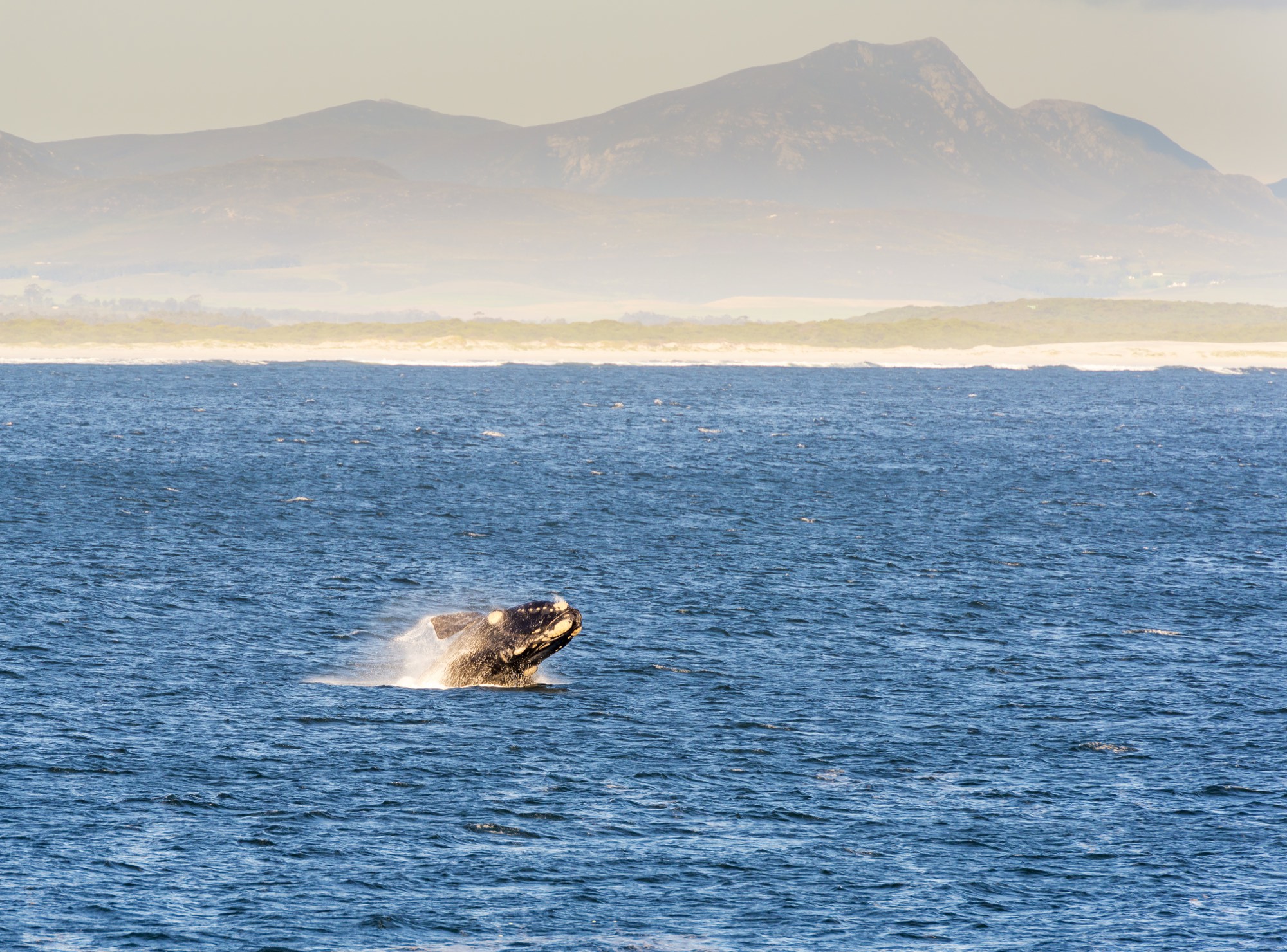
For a thousand years, whales were not animals but a resource: oil for our lamps, bone for our corsets, meat for our tables. The hunt that followed would push the largest creatures ever to live to the very edge of extinction. This is the story of how it happened.
Why whale in the first place?
Humans have interacted with whales for many centuries. A very early example of this comes from the chronicles of the conquests of Alexander the Great in the 4th century BC. In it, there were tales of encountering whales at sea and using whale parts, like bones and jaws, for the construction of houses. These materials came from stranded whales and no hunting yet took place. But the materials were valued and for this same reason, whales were persecuted many centuries later. In more modern times, the most valued parts were the oils, which were used for illumination. Spermaceti, taken from the head of the sperm whale, was used for wax candles and the sperm whale’s blubber provided lamp-oil. The lamp-oil was used to illuminate the streets and homes of many places. Oil from other, mostly baleen whales, was used for lighting as well, but was of lesser quality than the sperm whale’s oil. This industry took a big hit when coal gas lighting emerged in the 1820’s and was put out of business by the 1870’s by the exploitation of mineral petroleum. The oil was also used for textile machinery, cleansing of wool, paints, soap and medicinal use. The baleen of these great whales was also put to use. It was used for corsets, umbrellas, sieves, nets, brushes and knife handles. Other materials eventually replaced baleen by the early 20th century. Whale products were still used, though. The oils shifted purpose to food products like margarine. Scientific breakthroughs also led to whale oil becoming an important raw material for modern industry. So the demand continued.
Meat in the modern period was a secondary product, but did supply food in some places.
Indigenous peoples have hunted whales since prehistoric times in, among others, Europe, Kamchatka, Japan and Alaska. In Nago, fishermen would hunt small cetaceans, like pilot whales and dolphins, and this meat would be distributed in the local area and was used as sustenance for the locals. Subsistence whaling is important to many Indigenous peoples’ cultures. For the Inupiaq, whaling is an essential part of their cultural lives. Baleen is important to ceremonial activities and their religious beliefs. So without the whale hunts, the Indigenous cultures would suffer both from a loss of a food source but also from the loss of cultural traditions.
Early whaling
The first large-scale and organized whale hunts seem to have been conducted by the Basques. It is not clear exactly when they started hunting whales, but at the latest it was around 1000 AD. The Basques would set the example for the rest of the world and their techniques would be used for 1000 years. They were the ones to understand the value of the “resource” of whales and made it into an industry. They would exploit this “resource” ruthlessly until it was no longer economically advantageous to continue due to the lack of whales. The hunted whales were likely right whales, gray whales and bowhead whales. From 1530-1610, it is estimated that the Basques might have taken 40,000 right whales and bowhead whales. The Basques were responsible for the strategy of taking females and their calves due to easier accessibility. Females would not leave their calves, so whalers would injure the calf and then gain easier access to the mother. This had a devastating effect on the breeding population and thereby future generations. It would also make the recovery near impossible.
The practice of whaling would spread to others, such as the British and the Americans. The basic technology until about 1860 remained the same. Small boats would be lowered from a ship, and these small and more maneuverable boats would be powered by people or sails. The actual killing of the whales would be done by maneuvering the boats next to the whales and using hand-thrown harpoons to subdue and fasten them to the boats. The killing blow would be done by a thrust of a lance to a vital organ. This was dangerous work and the whales would occasionally win. Sperm whales could grab the boat in their jaws and reduce it to sticks of wood.
Modern whaling
In the beginning, whaling was a sad tale of man versus whale. A vast majority of the time, man won the battle, but it happened that whales would win and escape. Over time, however, the battle changed into slaughter on an industrial scale. The technological advances were too much for the whales to combat. Steam-powered catcher boats, exploding harpoons, spotter planes and sonar made the already uneven battle impossible for the whales to win. Until motorized boats, the whalers were limited to the slower-moving species, like the right whale, humpback whale, bowhead whale and the sperm whale, but now faster species like the fin whale and blue whale could be hunted as well. One of the most important inventions was the explosive harpoon around the 1860’s. This made the killing much easier, and it could be done from a distance. The new technology came at a time when whalers were expanding their territory. Many populations were now commercially exhausted. The bowhead and Atlantic right whale had been hunted for centuries and could no longer withstand the extreme pressure of whaling. Other species, like the North Pacific right whale, were severely reduced in only 14 years. Around the time of the technological advances, the large whale stocks of the Southern Ocean were discovered. The largest slaughter in whaling history so far was about to begin. Almost the only thing limiting whaling in this area was the need to process the carcasses on land, which limited their range. In spite of this, incredible destruction was achieved. Hundreds of fin whales, blue whales and humpback whales were taken in only one month. By 1915, there were almost no humpbacks left in the South Georgia with 18,557 whales killed. In 1925, the dependence on land for processing was no longer. The stern-slip factory ship was introduced. These ships could operate without the need for land for months at a time. They could now process carcasses day and night with constant supplies of dead whales from the catcher boats. A fin whale of 80 feet and 70 tons could be stripped of meat in less than half an hour. These factory fleets now processed more whales in a single day than a 19th-century New England whaler did over a voyage of years. After the introduction of the Antarctic grounds in 1904, the whalers would over the following six decades, kill more than 2 million whales in the Southern Hemisphere. 363,000 blue whales, 216,000 humpback whales, 407,000 sperm whales and almost 750,000 fin whales were killed.
IWC
The International Convention for the Regulation of Whaling was created in 1946 and signed by the major whaling countries. The convention created the International Whaling Commission (IWC), which was to regulate whaling and oversee future research on whale stocks. The research was to be focused on learning about population structure, abundance and the life history of whales. The goal of this was to set quotas to maximize whale exploitation while remaining sustainable. The IWC was ineffective for many years, but over time, the Commission grew more ambitious as non-whaling nations began to join. Other nations shifted their perspective, stopped whaling entirely, and instead became conservation-focused. A moratorium was first called for in 1972 and proposed several times at the IWC, but wasn’t adopted until 1982. In 1982, a moratorium was decided, and it took effect in the 1985/86 season. It was a zero catch quota. The moratorium was made to allow the whale stocks of the world to recover from the severe overexploitation of the past. The moratorium is still in effect today. It is binding for the nearly 90 member countries, but Norway and Iceland continue to catch whales commercially and set their own catch limits. They must report on their catches to the IWC, however. They avoided the moratorium through legal tools.
Japan left the IWC in 2019 and began whaling again the same year.
Illegal whaling is the breaking of national or international laws, agreed quotas, area restrictions and other such limitations. After the breakup of the Soviet Union, several Russian and Ukrainian scientists who had worked on Soviet whaling ships revealed the actual catch statistics beginning from just after World War II. This showed large underreporting and illegal whaling by the Soviets. The false reporting included falsifying catch numbers, species caught, and the sex of the whales. For example, it was illegal to catch mothers and calves, so the killing of a fin whale mother with a calf could be reported as “two sei whales”.
The Soviet factory ships killed almost all the whales they saw. This included all sizes, ages and statuses of protection. It is estimated that they neglected to report 177,000 catches. The most extreme case is likely the humpback whale. 2710 catches were reported to the IWC, but in truth, more than 48,000 were killed. This indiscriminate killing continued until 1972, when the International Observer Scheme (IOS) was implemented. The IOS placed independent, international inspectors on ships to verify catch statistics.